
WHO ARE THE LOWEST-PAID WORKERS IN INDONESIA REALLY SACRIFICING?

Smallest Font
Largest Font
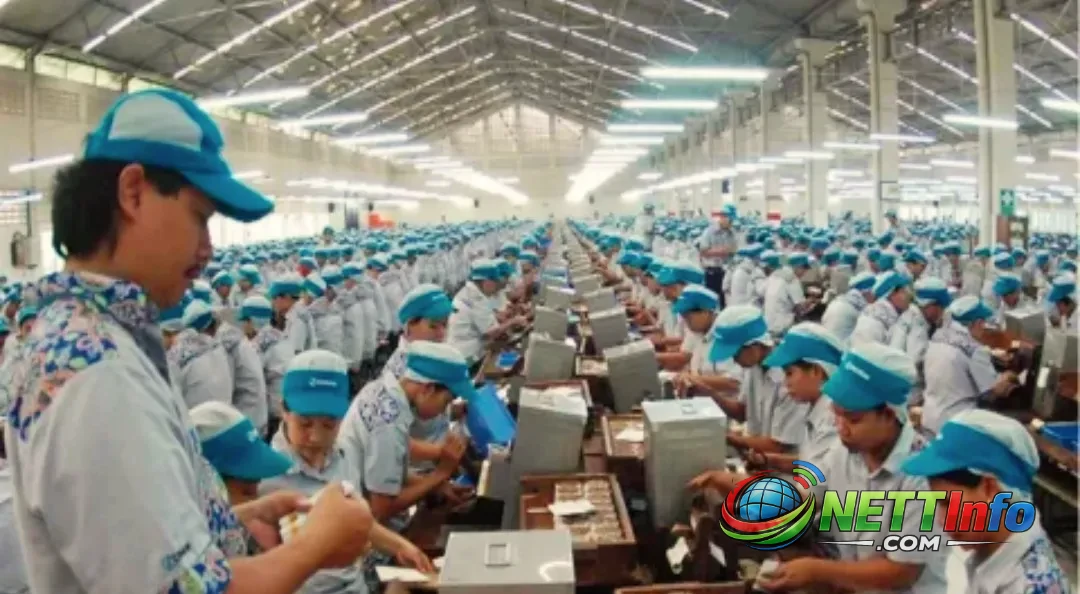
Jakarta Indonesia, NETTInpo. Com
Amid the barrage of issues on soaring living costs and UMP hikes, some workers in Indonesia are still teetering on the edge of the bare minimum wage line—one that barely sustains a family's wallet logistics. They are daily casual laborers, contract workers, informal sector hands, and those in micro-businesses: the groups most often "left behind" to scrape the rock-bottom wages permitted by the state.
The minimum wage isn't just a number in regulations—it's a lifeline. Those paid below that line are essentially deemed "able" to live on wages that often can't cover two meals a day, let alone rent or credit payments. In many regions, UMP/UMK enforcement is inconsistent, especially in micro and small enterprises that employ millions. This is where suspicion arises: Indonesia's wage system doesn't just set a floor—it quietly allows some workers to get trapped at the very bottom of the economic pyramid.
Journalists must chase field data: which company names, what sectors, and how do below-UMP/UMK wage practices play out? Who pays "out of the kindness of their heart" below the rules, and who stays silent when workers complain? On the flip side, we need to probe: are micro/small business categories exploited as a "legal loophole" to sustain low wages, or are they genuinely a shield for cash-strapped UMKM operators?
The lowest wages in Indonesia aren't just a technocratic issue—they're political: who does the regulatory structure allow to stay poor, and who benefits when some workers are tamed at an inhumane minimum threshold? Amid rhetoric of "progress" and "progressiveness," the sharpest question isn't "what's the highest UMP," but "who among us is still left breathing the thinnest air of the lowest wages in this country?"
